


Many players ask: are poker books still worth reading? The answer is yes, when chosen appropriately. The best poker books to read in 2026 remain useful in the solver era because they organize the reasoning behind decisions. They help you understand probabilities, interpret ranges, and recognize mistakes. The key is choosing a work appropriate to your level and confronting older recommendations with the current game.
The selection below gathers readings by objective, from first strategy to advanced analysis. Poker strategy books work best when accompanied by exercises, hand review, and study tools. No single volume contains all the answers for modern cash games and tournaments.
Several technical titles from this selection, such as Modern Poker Theory and Mastering Small Stakes No-Limit Tournaments, are currently available in English.
Books to Learn Poker Starting with Fundamentals
If you're asking what are the best poker books for someone starting out, focus on works that explain why a decision works and under which conditions it stops making sense. The best poker books for beginners address position, relative hand strength, and stack sizes—the chip stacks available—before diving into bluffing frequencies.
Consider these options when building your foundation:
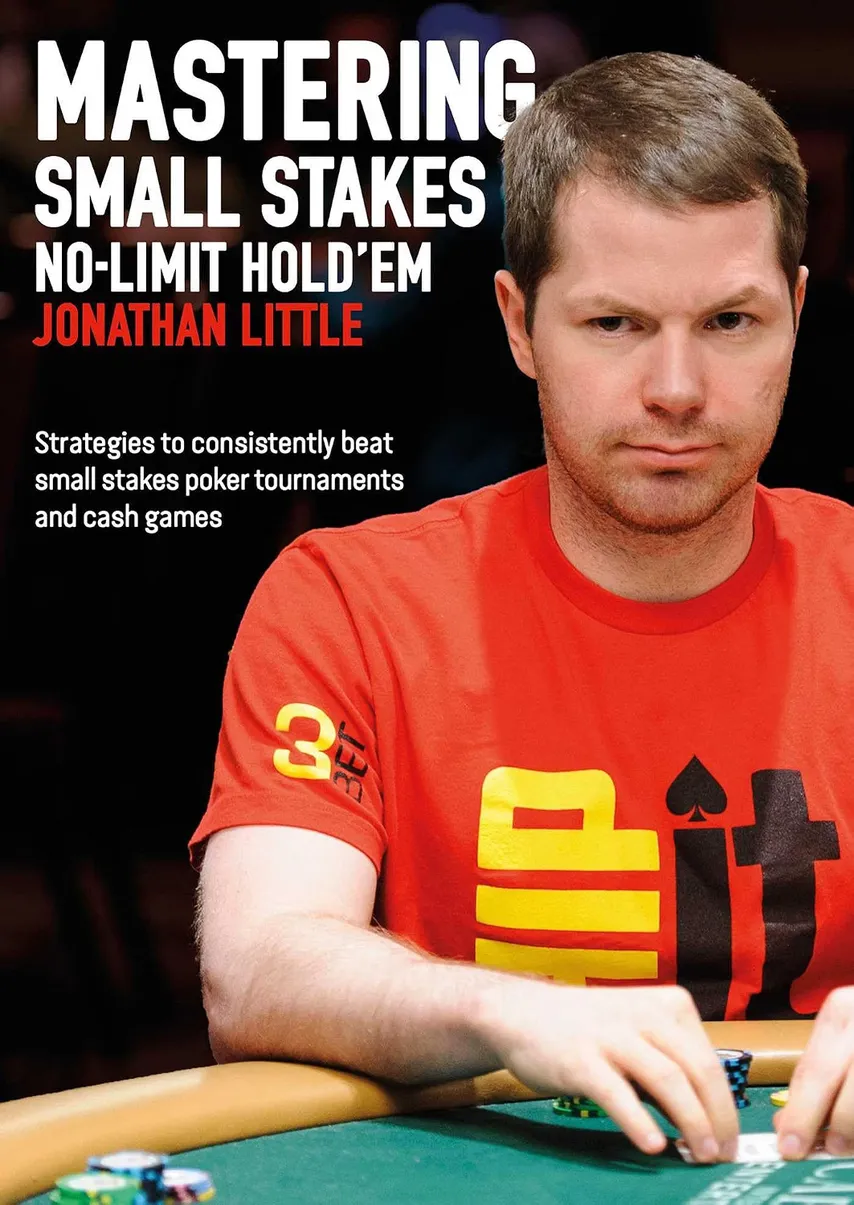
- Mastering Small Stakes No-Limit Hold'em by Jonathan Little — a comprehensive strategy for low limits with adjustments for opponent quality
- Harrington on Hold'em series — tournament fundamentals and hand analysis
- Easy Game by Andrew Seidman — simplified modern concepts for online cash games
For those who already know the rules, Mastering Small Stakes No-Limit Hold'em offers a strategy for low limits and discusses adjustments according to opponent quality. The approach includes cash games and tournaments, allowing you to recognize common problems before choosing a specialty. The book is available in English and in Spanish as Dominar las partidas Small Stakes de NLHE.
Among Texas Hold'em books, initially prefer materials about the variant you play. Concepts from Limit Hold'em, with limited bets, do not transfer entirely to No-Limit. Also check the language and edition: understanding the examples matters more than finishing a famous title without being able to apply its reasoning.
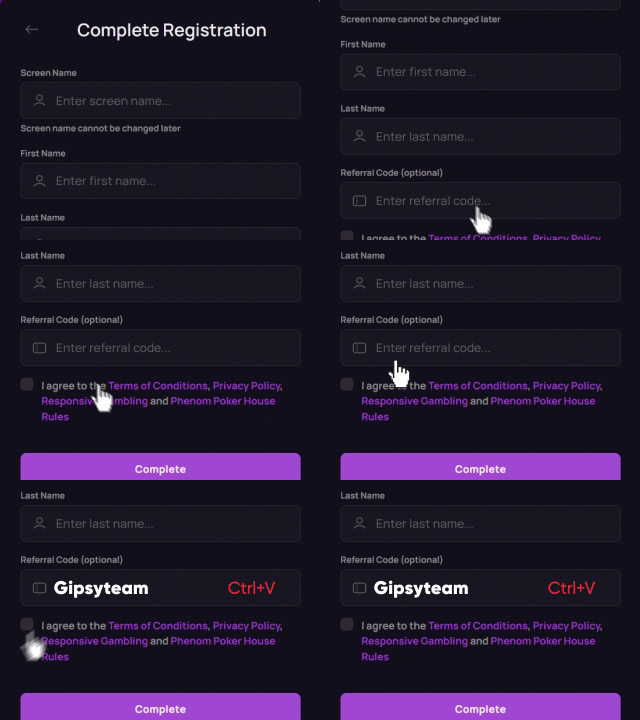
Books help you understand the game, but it's at the tables where you test your decisions. And if you're starting out, GipsyTeam offers an exclusive freeroll league schedule for you to gain tournament experience without paying buy-ins while competing for prizes.






Poker Math Books to Evaluate Each Decision
Essential Poker Math by Alton Hardin is an entry point for those who avoid numbers during study. The work gathers mathematical fundamentals and exercises with game situations. Its usefulness lies in transforming abstract concepts into decisions that can be verified. Essential Poker Math is available in English, and its Expanded Edition also has a Japanese translation.
A simple example shows why this foundation matters. On the river, the pot has $100 and the opponent bets $50. You need to pay $50 to contest a final pot of $200. Disregarding rake, the fee charged by the room, the call needs 25% equity to break even in expected value. The calculation is 50 divided by 200.
Equity is your expected share of the pot, considering wins and ties. Expected value, or EV, describes the average result of a repeated decision. Evaluating the call requires estimating the opponent's possible hand range.
| Concept | Question it helps answer |
|---|---|
| Pot odds | How much does it cost to call relative to the final pot? |
| Equity | What's my expected share against this range? |
| Expected value | What average result can this decision produce? |
To consolidate what you've learned from poker math books:
- Solve five example problems from the chapter
- Change one variable (bet size, pot size, or estimated equity)
- Recalculate and compare the results
- Apply the concept during your next session
- Review three hands where that math mattered
Redo exercises by changing bet size and opponent range. Those looking for books to learn poker find more value by solving problems before consulting the solution. Before the river, also consider future bets and the possibility of not realizing all equity.
GTO Poker Books to Understand Modern Strategy
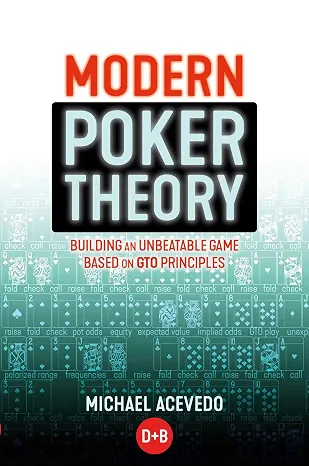
Modern Poker Theory by Michael Acevedo deserves attention among poker books for advanced players. The author develops a No-Limit Hold'em approach based on game theory and the use of analysis tools. It's a more rewarding read for those who already understand ranges and probabilities. Get to know the book's approach.
GTO, short for Game Theory Optimal, describes an equilibrium strategy. In practical study, solvers calculate approximations within a model, with defined ranges, stacks, and bet sizes. Interpreting these premises is essential to understanding the answer presented by the program.
Imagine a solution in which a certain hand alternates between betting and checking. To understand the frequencies, investigate board texture, blockers, and the hands in each range. These relationships help you recognize similar situations.
That's why the best poker books for modern players should guide questions that will be deepened with current tools. Training platforms and large databases of pre-solved situations allow you to compare scenarios that a printed volume cannot cover. Results also change when you alter rake, positions, or stack depth.
A useful routine consists of reading a concept, forming a hypothesis, and testing examples after playing. Record what changed between them. The goal of poker strategy books at this stage is to build understanding to evaluate equilibrium strategies and adjustments to exploit observed tendencies.
Poker Books for Tournaments and Stack Changes
Tournaments require decisions that follow the evolution of blinds, stacks, and prize structure. Proximity to the bubble also changes the cost of risking survival.
Among tournament poker books, Mastering Small Stakes No-Limit Tournaments (available in English) by Lexy Gavin-Mather presents a strategy for low-limit events and discusses how to adjust it to opponent mistakes. It's an option for those who want to organize their game in fields with participants of different skill levels.
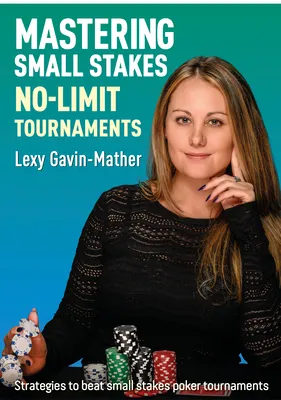
The author works through stack depth in big blinds, positions, and different tournament phases with examples. The Independent Chip Model (ICM) estimates each player's share of the remaining prize pool from the stack distribution and payout structure. It helps explain why gaining chips and increasing expected prize money are not always equivalent. Near big payout jumps, a chip-profitable decision may be financially inappropriate.
But you need to complement your reading with current ICM exercises and final table situations. In bounty tournaments, include elimination value and format rules. A recommendation formulated for a conventional tournament should not be automatically applied to a PKO. The book offers the foundation; the review must reproduce the event you play.
If you've made it this far, it's because you have considerable interest in playing poker, right? Then it's worth taking one more step: checking out promotions that can bring various benefits to your game and bankroll. We've gathered below the best offers available for you to maximize your profit playing in various rooms. Check it out below:

Books for Cash Games and Adapting to Opponents
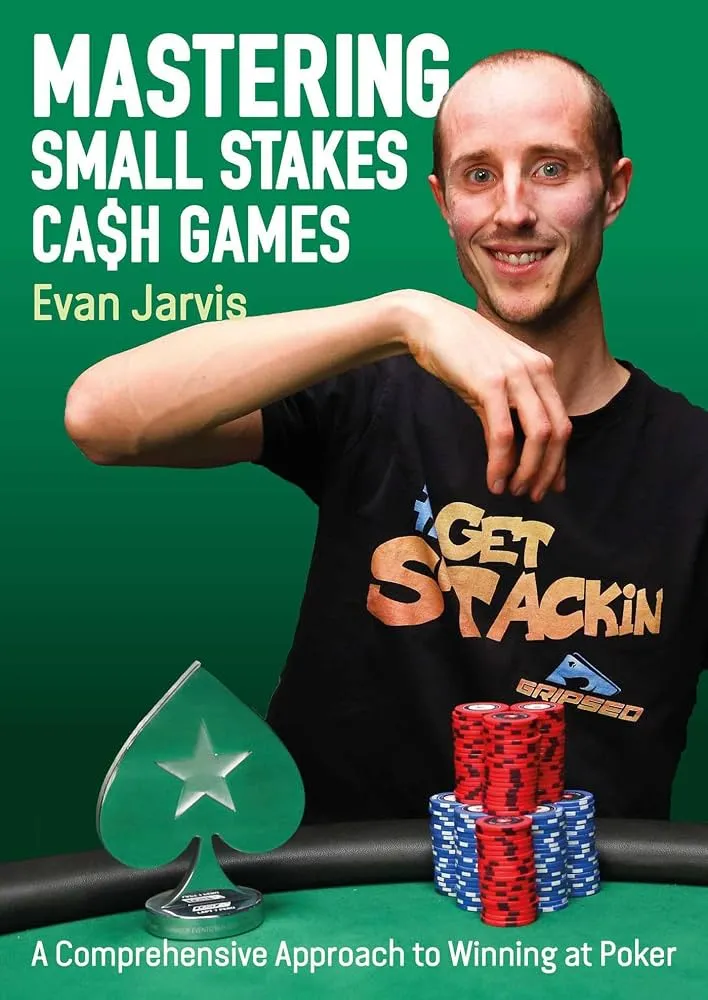
When selecting cash game poker books, prioritize works that address both technical decisions and practical factors. Mastering Small Stakes Cash Games by Evan Jarvis covers preflop and postflop planning, as well as table selection, seat choice, and buy-in amount. This breadth helps the reader realize that performance also depends on the conditions under which they decide to play. See the topics covered.
The reading helps those who already know the fundamentals and want to structure cash sessions. Since chips represent money and blinds typically remain fixed, the study considers recurring situations, stack depth, and table costs, including rake.
When reviewing a hand, ask which opponent behaviors justify your adjustment. Against someone who calls too much, value betting more frequently may be appropriate. Bluffing less may also make sense, but the conclusion must consider the situation and the quality of observations.
This care prevents transforming adjustments against certain opponents into universal rules. A live table with multiple players seeing the flop presents different problems than a short, aggressive online table. Frequencies, bet sizes, and ranges need to be evaluated in this context, including when they appear in more recent books.
After each chapter, follow a theme in subsequent sessions: river value bets, blind defense, or multiway pots. Save hands and look for patterns. Identifying corrected decisions helps you recognize progress during unfavorable result sequences.
Poker Psychology and Critical Reading of Classics
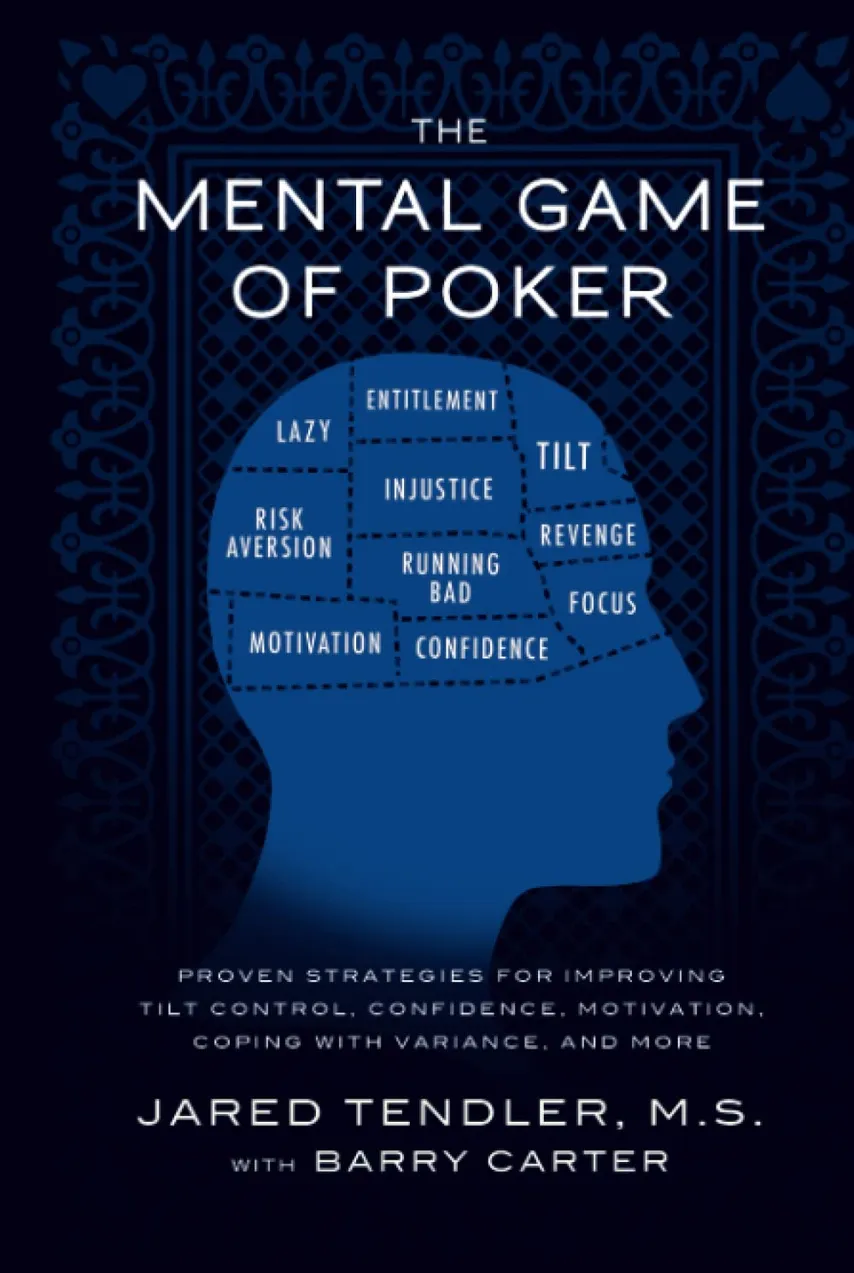
Books on poker psychology address difficulties that persist even when the player knows strategy. The Mental Game of Poker by Jared Tendler and Barry Carter covers tilt, confidence, motivation, and reactions to variance. It's a complementary read for different experience levels.
Record situations where your decision-making worsens. Note the trigger, the thought that appeared, and the observed behavior. Calling out of frustration or extending a session to recover losses are concrete problems that deserve attention during this study.
What to Preserve in The Theory of Poker
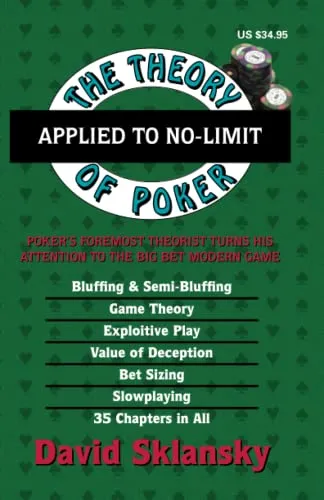
Among poker theory books, The Theory of Poker by David Sklansky helps you think about incomplete information, bet value, and opponent mistakes. Its current interest lies in principles that explain decisions in different situations.
Reading classics requires distinguishing two types of content:
- Enduring concepts: position, probabilities, expected value, and reasoning about available information.
- Context-dependent recommendations: ranges, bet sizes, and assumptions about how opponents play.
Old works may use examples from other variants or structures. Before incorporating guidance, identify the game, rules, and presumed opponent behavior. The book's age increases the importance of this verification. For specific strategy, complement reading with current analysis.
For those who play primarily No-Limit Hold'em, The Theory of Poker Applied to No-Limit (2019) adapts several concepts from the classic book to no-limit and pot-limit games, with special focus on NLHE.
Online Poker and GipsyTeam Benefits for Practice
Applying a concept at the tables and reviewing doubts after the session helps transform reading into learning. In GipsyTeam's room selection, you'll find reviews of online options, mobile apps, and offers for different profiles. Start with the format you intend to study.
| Your Focus | What to Compare Among Options |
|---|---|
| Cash games | Active tables at your limit, rake, and rakeback conditions |
| Tournaments | Buy-ins, duration, structure, and schedules compatible with your routine |
| Mobile apps | Compatibility, stability, controls, and access to hand history |
Choose limits compatible with your bankroll, the money set aside to play, and save hands that represent the studied subject. Then compare your decisions with the book and current exercises.
Three excellent rooms for beginners include CoinPoker, with many freerolls; WPT Global, which uses FairGame to cap highly skilled players at two per table in most cash games and offers online satellites to live World Poker Tour events; and BCPoker, a lower-traffic room that offers freeroll tournaments.


